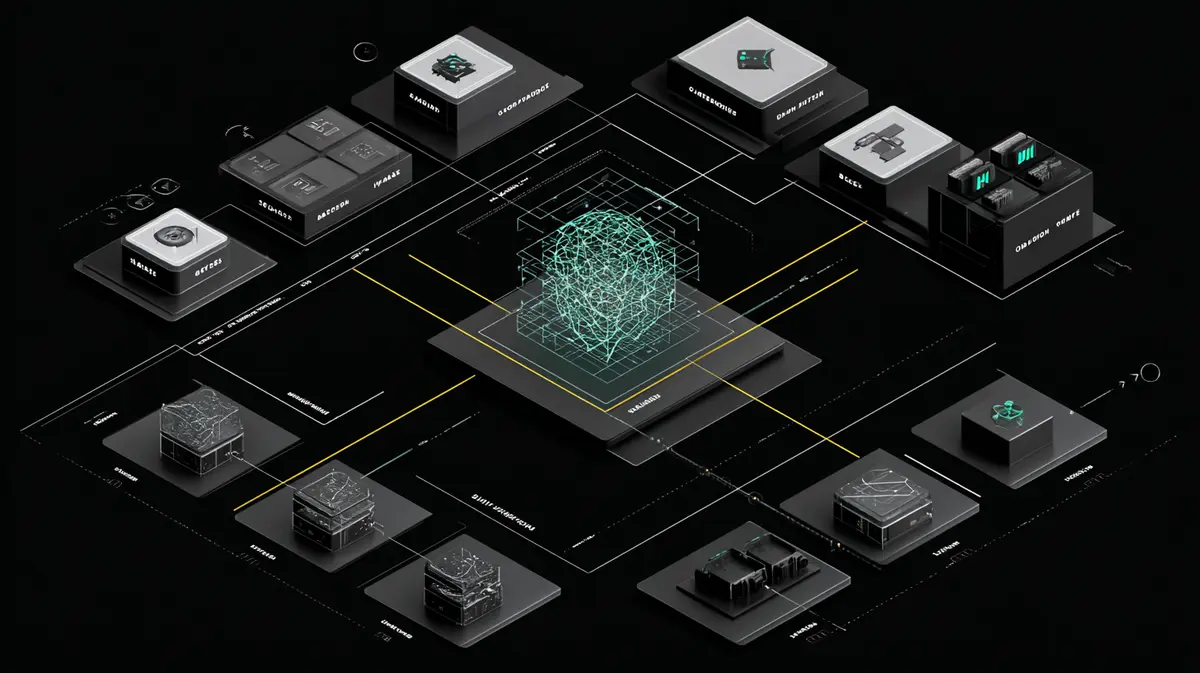

The terms data catalog and Knowledge Layer are often used interchangeably — but they mean different things. A catalog is an inventory of data. A Knowledge Layer is a model of meaning.
What the catalog delivers
A data catalog answers the question “which tables, which columns, in which system”. It is the answer to inventory questions. For analysts who write manual joins, that is enough.
What the Knowledge Layer adds
A Knowledge Layer adds three axes that a catalog does not cover: meaning (what a term means in the business), relationships (how two terms formally relate to each other) and rules (which statements about the domain always hold). That is why formal ontologies power agentic AI: they give models explicit domain logic rather than leaving business meaning inside passive metadata inventories.
Three hard tests
- Business-term test: Can two departments retrieve the same business term and get the same statement?
- Lineage test: Can every statement be traced back to the source that supports it?
- Agent test: Can an agent answer a business question without someone writing SQL first? A Graph RAG implementation guide shows how agents can query explicit graph schemas rather than guessing joins from raw tables or metadata alone.
Pass all three: Knowledge Layer. Fail one: a catalog with a glossary bolted on. Both can be useful — they just should not be confused.